
In This Article – Core Desire and Core Fear – Signature Strengths – Common Challenges and Shadow Pattern – Best Career Paths for the Outlaw – The Outlaw in Relationships – What Drives the Outlaw’s Core Motivations
The Outlaw archetype seeks to revolutionize, disrupt, and destroy what no longer works — driven by a conviction that some systems and rules genuinely deserve to be torn down rather than politely reformed. People with this dominant pattern are courageous, independent, and willing to challenge authority directly when something feels fundamentally broken.
Core Desire and Core Fear
The Outlaw’s core desire is to overturn what isn’t working — revolution over incremental reform, disruption over quiet compliance. The corresponding core fear is powerlessness or ineffectiveness, a fear that drives this archetype’s insistence on direct action rather than patient waiting. This pairing explains the Outlaw’s characteristic impatience with slow bureaucratic processes: to this archetype, working within a broken system can feel indistinguishable from endorsing it.
See also: “What Are the 12 Jungian Archetypes?” — for how the Outlaw fits alongside the other 11 archetypes.
Signature Strengths
Outlaws bring genuinely rare qualities: real courage in confronting authority and injustice directly, authenticity that refuses to perform for approval, the ability to disrupt broken systems that badly need disruption, comfort with risk that lets them act when others hesitate, and a strong independent streak that resists groupthink and easy conformity.

Common Challenges and Shadow Pattern
The same rebellious instinct that makes Outlaws effective disruptors can also make them genuinely destructive without a clear plan for what comes next — this archetype can be reckless, has a real struggle with authority even when that authority is legitimate, and can alienate people who might otherwise be allies. Under sustained stress, the Outlaw’s shadow tends to show up as pure destruction — tearing things down for its own sake, without building anything better in the wreckage left behind.
See also: “What Is a Shadow Archetype (and Why Yours Matters More Than Your Main One)” — for more on this specific shadow pattern.
Outlaw Archetype at a Glance
| Category | Details |
| Core Desire | Revolution and overturning what doesn’t work |
| Core Fear | Being powerless or ineffective |
| Top Strengths | Courageous, authentic, disruptive, independent, bold |
| Common Challenges | Reckless, anti-authority, alienating, destructive |
| Shadow Pattern | Destruction — tearing down without building anything better |
Best Career Paths for the Outlaw
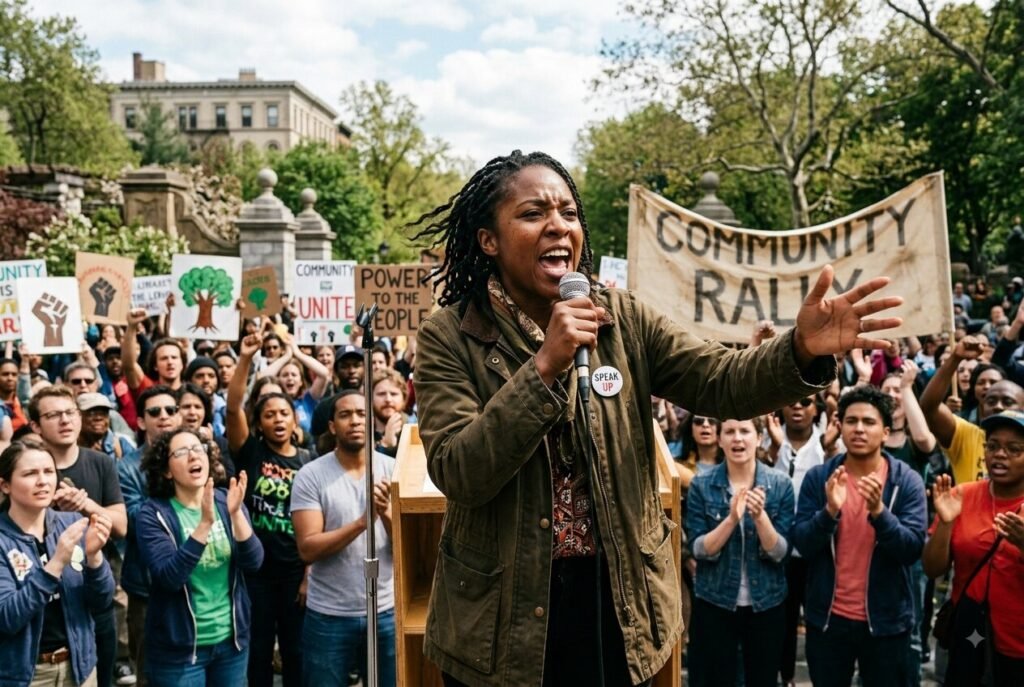
Outlaws tend to thrive in roles that reward genuine disruption over comfortable maintenance of the status quo. Strong fits include activism and advocacy (community organizing, civil rights work, policy reform), entrepreneurship (startup founding, disruptive innovation, industry challengers), creative rebellion (punk and alternative art, satire, provocative journalism), and crisis and emergency work where decisive, unconventional action genuinely matters more than following standard procedure. The common thread is a role where challenging the existing order is the actual job, not a liability to be managed.
The Outlaw in Relationships
Outlaws bring intensity and honesty to their relationships, refusing to perform a version of themselves just to keep the peace — which partners often experience as refreshing, if occasionally exhausting. This archetype pairs especially well with the Explorer (a shared rebellion against limitations), and reasonably well with the Hero (who channels courage constructively while the Outlaw disrupts) and the Magician (who transforms what the Outlaw first tears down).
For anyone communicating with an Outlaw, respecting their independence and directness matters enormously — vague, indirect communication tends to read as manipulation to this archetype. Being honest even when it’s uncomfortable, avoiding any attempt to control or restrict them, and channeling disagreements into direct, honest conversation rather than passive tension all tend to build genuine trust.
What Drives the Outlaw’s Core Motivations
The Outlaw’s motivations center on several consistent needs: genuine freedom from oppressive rules and systems, authentic self-expression without performing for approval, real justice when something is fundamentally unfair, and meaningful change rather than symbolic gestures. These aren’t rebellion for its own sake — they reflect a real conviction that some systems cause active harm and deserve direct confrontation, not patient reform.
The fears that accompany these motivations are worth naming directly: powerlessness in the face of injustice, conformity that requires abandoning genuine values, being controlled by systems or people the Outlaw doesn’t respect, and — less obviously — the possibility that their rebellion accomplishes nothing but destruction.
Growth Path for the Outlaw
The most useful growth work for a dominant Outlaw isn’t suppressing the instinct to challenge broken systems — that instinct is genuinely valuable and often correct. The more productive path is developing a clear vision for what should replace what’s being torn down, rather than stopping at disruption alone.
Outlaws who do this work tend to become genuinely transformative rather than simply destructive, channeling real courage into building something better rather than only clearing away what didn’t work. Learning to distinguish battles worth fighting from reflexive opposition to any authority also tends to make this archetype’s genuine strengths far more effective.
Recognizing an Outlaw in Everyday Life
Outlaws are often the person in a meeting who says the thing everyone else was quietly thinking but afraid to voice, who leaves a stable but unfulfilling job rather than staying comfortable, and who has genuinely little patience for “that’s just how it’s always been done” as a justification.
This isn’t contrarianism for its own sake — it’s a coherent conviction that broken systems deserve direct challenge rather than quiet acceptance, and it produces real value in the right contexts: organizations need someone willing to name the uncomfortable truth, movements need someone willing to take the first real risk, and relationships benefit from a partner who won’t pretend everything is fine when it genuinely isn’t. The challenge is knowing which fights are actually worth the cost, since not every frustration signals a system that truly needs tearing down.
How the Outlaw Archetype Shows Up in Myth and Legend
The Outlaw’s pattern recurs throughout folklore and legend in figures who defy established authority in the name of a higher justice the existing order fails to provide. The legendary folk-hero-thief who steals from a corrupt establishment to redistribute to those the system has failed appears in various forms across many storytelling traditions — a figure whose lawbreaking is framed not as villainy but as a necessary correction to a genuinely unjust order.
The fire-bringing rebel of ancient Greek myth, punished by the ruling gods for giving humanity a forbidden gift, represents another classic expression of this same pattern: defiance of legitimate authority in service of a value the Outlaw judges more important than obedience itself. What connects these figures across unrelated traditions is a consistent moral logic — the rules being broken are framed as less legitimate than the cause justifying their breaking, a framing that real-world dominant Outlaws often apply with genuine conviction to whatever system currently strikes them as broken.
What the Outlaw Archetype Looks Like in Daily Decision-Making
Beyond broad personality traits, the Outlaw’s core pattern shows up in specific, recognizable decision-making habits. When encountering an unfair or outdated policy, an Outlaw’s instinctive response is rarely to quietly work around it — it’s to name it directly, often to people who’d rather the issue stayed unspoken.
When choosing between a stable path that requires compliance with a system they don’t respect and a riskier path that preserves their independence, an Outlaw tends to choose independence even at real material cost, since compliance with an illegitimate system can feel worse than the practical downside of walking away from it.
When evaluating whether a rule applies to them, an Outlaw tends to ask whether the rule is actually justified before deciding whether to follow it — a habit that produces genuine ethical clarity in some situations and genuine conflict with legitimate authority in others, depending on how accurately the Outlaw has assessed the rule’s actual legitimacy.
In storytelling, the closest literary relative to the Outlaw is the antihero, a figure who breaks rules the audience has already lost faith in.
Frequently Asked Questions
What is the Outlaw archetype’s biggest weakness? A tendency toward pure destruction under stress — tearing systems or relationships down without a clear plan for what should replace them, leaving genuine wreckage behind.
What careers suit the Outlaw archetype best? Activism, entrepreneurship, creative rebellion, and crisis or emergency work all align well with the Outlaw’s comfort with risk and disruption.
Which archetypes pair best with the Outlaw? The Explorer tends to be the strongest match, sharing a mutual rebellion against limitations, while the Hero and Magician also pair reasonably well.
Is the Outlaw archetype the same as being antisocial? No — the Outlaw’s rebellion is typically directed at specific systems or injustices believed to cause real harm, not a generalized rejection of all social connection or structure.
Where to Start
The Personality Archetype Test is a free 60-question assessment that identifies whether the Outlaw — or one of the other 11 archetypes — is your dominant pattern. Take the free assessment to find out.