

In This Article – Core Desire and Core Fear – Signature Strengths – Common Challenges and Shadow Pattern – Best Career Paths for the Lover – The Lover in Relationships – What Drives the Lover’s Core Motivations – Growth Path for the Lover
The Lover archetype seeks intimacy, connection, and passionate experience above nearly everything else. People with this dominant pattern are warm, deeply committed to the people they love, and genuinely attuned to beauty, sensation, and emotional depth in a way few other archetypes match.
Core Desire and Core Fear
The Lover’s core desire is intimacy and genuine connection — closeness that goes beyond the surface, whether romantic, platonic, or aesthetic. The corresponding core fear is being alone or unloved, a fear that shapes this archetype’s intense investment in relationships and can drive real anxiety when connection feels uncertain. This pairing explains the Lover’s characteristic devotion: relationships aren’t a pleasant addition to life for this archetype, they’re close to the entire point.
See also: “What Are the 12 Jungian Archetypes?” — for how the Lover fits alongside the other 11 archetypes.
Signature Strengths
Lovers bring genuinely rare gifts: deep passion invested fully in what they care about, warmth that makes people feel truly seen, real commitment that doesn’t waver easily, romanticism that keeps life feeling meaningful rather than merely functional, and a refined appreciation for beauty in its many forms.

Common Challenges and Shadow Pattern
The same intensity that makes Lovers deeply devoted can also make them possessive when insecurity takes over, and this archetype can struggle with real jealousy, become overly dependent on a partner for a sense of identity, and lose sight of personal boundaries in pursuit of closeness. Under sustained stress, the Lover’s shadow tends to show up as obsession — possessiveness and a genuine loss of self within relationships, clinging tighter precisely when the fear of abandonment feels most acute.
See also: “What Is a Shadow Archetype (and Why Yours Matters More Than Your Main One)” — for more on this specific shadow pattern.
Lover Archetype at a Glance
| Category | Details |
| Core Desire | Intimacy and connection |
| Core Fear | Being alone or unloved |
| Top Strengths | Passionate, warm, committed, romantic, appreciative of beauty |
| Common Challenges | Jealous, dependent, loses boundaries, possessive |
| Shadow Pattern | Obsession — possessiveness and loss of self in relationships |
Best Career Paths for the Lover
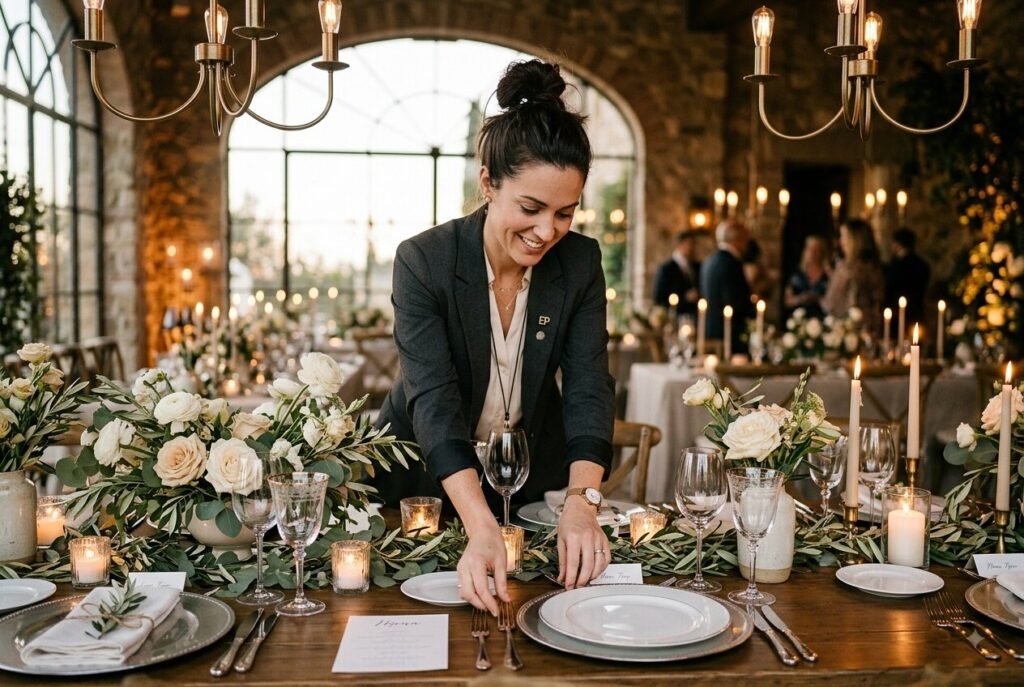
Lovers tend to thrive in roles built around genuine human connection and aesthetic sensitivity. Strong fits include relationship and counseling work (couples therapy, relationship coaching, human resources), hospitality and service (event planning, hospitality management, personal styling), arts and beauty (fashion, interior design, fine art), and matchmaking or community-building roles where fostering genuine connection between people is the actual work, not a side benefit. The common thread is a role centered on people, beauty, and meaningful connection rather than isolated technical work.
The Lover in Relationships
Lovers bring genuine warmth and devotion to relationships, though their intensity can feel like a lot for partners who need more independence or space. This archetype pairs especially well with the Hero (emotional depth paired with dependable strength), and reasonably well with the Caregiver (a shared devotion to nurturing connection) and the Creator (a shared appreciation for beauty and meaning).
For anyone communicating with a Lover, genuine emotional presence matters enormously — distracted or surface-level attention reads as real rejection to this archetype. Expressing appreciation openly and often, being reliably present rather than emotionally unavailable, respecting their need for closeness without treating it as excessive, and engaging with beauty and meaning together all tend to strengthen the connection significantly.
What Drives the Lover’s Core Motivations
The Lover’s motivations center on several consistent needs: deep intimacy and connection, being genuinely valued and desired, experiencing beauty and pleasure fully, and passionate engagement rather than emotional distance in any part of life. These aren’t superficial romantic ideals — they reflect a real conviction that connection and beauty are what make existence meaningful, not optional extras layered on top of a “real” life focused elsewhere.
The fears that accompany these motivations are worth naming directly: being unwanted or unlovable, losing a significant relationship, being alone, and — less obviously — never finding a connection deep enough to match the intensity this archetype is capable of offering.
Growth Path for the Lover
The most useful growth work for a dominant Lover isn’t suppressing passion or devotion — those traits are genuinely valuable. The more productive path is building a stronger sense of identity independent of any single relationship, so that connection comes from genuine choice rather than fear of being alone. Lovers who do this work tend to keep their extraordinary capacity for intimacy while becoming considerably less prone to jealousy and possessiveness, since security stops depending entirely on another person’s constant presence and reassurance.
Recognizing a Lover in Everyday Life
Lovers are often the person who remembers small, specific details about the people they care about, who puts real thought and effort into making an occasion feel meaningful rather than merely adequate, and who can feel a minor shift in someone’s tone of voice as a genuine emotional event worth examining.
This isn’t oversensitivity for its own sake — it’s a coherent attunement to connection and emotional nuance that most people move through life without noticing, and it produces real value in the right contexts: relationships need someone who notices when something’s wrong before it’s said out loud, teams benefit from someone who builds genuine morale and cohesion, and communities are strengthened by someone who makes people feel individually valued. The challenge is maintaining that same attunement toward their own needs, not just everyone else’s.
How the Lover Archetype Shows Up in Myth and Legend
The Lover’s pattern recurs throughout mythology in figures organized entirely around passion, beauty, and devotion, sometimes to their own detriment. Ancient goddesses of love and desire, found across Mediterranean and Near Eastern traditions, embody this archetype’s core desire in its purest form — connection and beauty as ends in themselves, worth pursuing regardless of practical cost.
Medieval romance literature contributed its own enduring expression: legendary pairs whose devotion to each other persists despite genuine external obstacles, sometimes to tragic effect, illustrating both the Lover’s greatest strength — an almost limitless capacity for devotion — and its characteristic shadow, when that devotion tips into consuming obsession that damages everything else in a person’s life.
This narrative pattern, appearing across countless unrelated storytelling traditions, mirrors the real tension dominant Lovers often describe: the same intensity that makes deep connection possible is also what makes losing that connection feel genuinely devastating rather than simply disappointing.
What the Lover Archetype Looks Like in Daily Decision-Making
Beyond broad personality traits, the Lover’s core pattern shows up in specific, recognizable decision-making habits. When choosing between a practical option and a more beautiful or meaningful one, a Lover tends to weigh aesthetic and emotional resonance more heavily than most other archetypes would, sometimes at real financial or logistical cost.
When a relationship shows early signs of distance, a Lover’s instinct is often to move closer and seek reassurance immediately, rather than giving space — an instinct that can occasionally read as intensity when what was actually needed was patience.
When reflecting on a life decision after the fact, a Lover tends to evaluate it primarily through how it affected their key relationships and sense of connection, rather than through more conventional measures like career advancement or financial outcome, which can make their choices look unconventional to people applying a different evaluative framework entirely.
The research on what actually sustains intimate relationships offers a more grounded picture than any single archetype label can.
Frequently Asked Questions
What is the Lover archetype’s biggest weakness? A tendency toward obsession under stress — possessiveness and a loss of personal identity within relationships, especially when the fear of being unloved feels acute.
What careers suit the Lover archetype best? Relationship and counseling work, hospitality, arts and beauty fields, and connection-focused roles like matchmaking or event planning all align well with the Lover’s warmth and aesthetic sensitivity.
Which archetypes pair best with the Lover? The Hero tends to be the strongest match, pairing emotional depth with dependable strength, while the Caregiver and Creator also pair reasonably well.
Is the Lover archetype the same as being needy? Not inherently — the Lover’s intensity reflects a genuine, healthy capacity for deep connection. It only tends to tip into neediness or possessiveness under the shadow pattern, when insecurity and fear of abandonment take over.
Where to Start
The Personality Archetype Test is a free 60-question assessment that identifies whether the Lover — or one of the other 11 archetypes — is your dominant pattern. Take the free assessment to find out.