
In This Article – What Actually Makes Two Types Compatible – Pairings That Tend to Work Well – Why “Different” Sometimes Beats “Similar” – What Compatibility Can’t Promise You
Enneagram compatibility comes down to more than shared interests — two people can share every hobby and still clash constantly. Two people can seem totally different on paper and fit together easily. A lot of that comes down to how their Enneagram types line up — not just whether they like the same movies.
What Actually Makes Two Types Compatible
The strongest pairings usually have one of two things going for them: real shared values that create instant understanding, or a kind of balance where one person’s strength quietly covers the other’s struggle. A Type 6 (the Loyalist), who worries and plans for every risk, often pairs well with a Type 9 (the Peacemaker), whose calm steadiness helps settle that worry down.
See also: Enneagram Type 6 and Enneagram Type 9 — a real example of how this kind of balance works.
Pairings That Tend to Work Well
| Type | Often Pairs Well With | Also Works With |
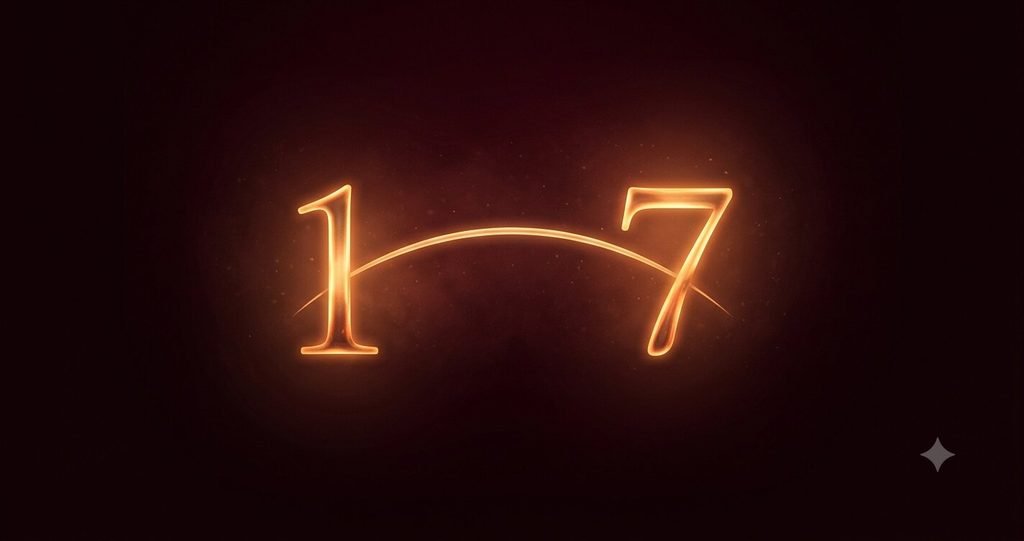
| 1 | 7 | 2, 9 |
| 2 | 8 | 4, 9 |
| 3 | 6 | 9, 1 |
| 4 | 1 | 5, 9 |
| 5 | 8 | 1, 9 |
| 6 | 9 | 3, 2 |
| 7 | 5 | 1, 3 |
| 8 | 2 | 5, 9 |
| 9 | 6 | 2, 3 |
See also: What Are the 9 Enneagram Types? — for a quick refresher on any type in this table.

Why “Different” Sometimes Beats “Similar”
It seems like matching types would make the easiest pairing, but that’s not always true. Two Type 8s together can end up competing over control, since both share the exact same drive to stay in charge. A Type 8 (the Challenger) paired with a Type 2 (the Helper), on the other hand, often works more smoothly — one leads, one nurtures, and neither is fighting over the same territory.
This doesn’t mean similar types can never work. It just means “the same type as me” isn’t automatically the easiest match. Sometimes the pairing that balances you out works better than the one that mirrors you.

What Compatibility Can’t Promise You
A good compatibility match on paper doesn’t guarantee an easy relationship, and a tricky match doesn’t guarantee a doomed one. Real relationships depend on a lot more than type — shared values, effort, communication, timing, and plain old compatibility of life goals all matter just as much, or more.
The most honest way to use this information is as a lens for understanding, not a scorecard for deciding who to date or be friends with. If you already know someone’s type, and yours, this can help explain a recurring pattern of friction — which is genuinely useful, even if the pairing isn’t listed as a “top match” here.
See also: Archetype Personal Growth style thinking works well here too — understanding a partner’s type helps you respond to their real needs, not just react to their behavior.
A Real Example of Type Friction, Explained
Let’s walk through one common, tricky pairing to see how this plays out. A Type 2 and a Type 5 (the Investigator) in a relationship often hit the same wall repeatedly. The Type 2 wants closeness, check-ins, and regular reassurance. The Type 5 needs long stretches of alone time to recharge, and can experience frequent check-ins as draining rather than caring.
Without understanding type, this can feel like a mismatch in how much either person “really cares.” With type in the picture, it becomes something more workable: not a lack of love, but two different nervous systems with two different real needs. A Type 2 in this pairing might learn to ask for connection in smaller, more specific doses, while a Type 5 might learn to schedule regular check-ins on purpose, even when they don’t feel an urgent need for one. Neither has to become a different type.
They just need a shared understanding of why the friction happens in the first place. The pull toward closeness versus space here echoes what attachment theory calls anxious and avoidant styles, even though the two frameworks measure different things.
Compatibility Between Family Members, Not Just Partners
Most compatibility discussion focuses on romance, but the same patterns show up clearly in families too. A Type 1 (the Reformer) parent raising a Type 7 (the Enthusiast) child often runs into a specific, recurring friction: the parent wants order and follow-through, the child wants freedom and spontaneity. Neither is wrong. They’re just running on different core needs.
Recognizing this as a type pattern, rather than a discipline problem or a character flaw in either person, tends to soften a lot of unnecessary conflict. A Type 1 parent who understands their Type 7 child’s real need for freedom can build in room for it, while still holding reasonable structure — instead of experiencing every bit of spontaneity as defiance.
Frequently Asked Questions
Does a low compatibility match mean a relationship won’t work? No. These patterns describe general tendencies toward ease or friction, not guarantees. Plenty of strong relationships exist between types not listed as top matches here.
Can two people with the same type get along well? Sometimes, yes — shared understanding can be a real strength. But they can also clash if both share the same blind spot, like two Type 8s both wanting control.
Does this apply to friendships too, not just romance? Yes, the same basic ideas apply to friendships, family, and coworkers, not just romantic relationships specifically.
What matters more than type in a relationship? Communication, shared values, and genuine effort all matter more than type alone. Type is a helpful lens, not the whole picture.
How to Use This With Someone You Already Know
If you already know your type and someone close to you knows theirs, the most useful next step isn’t just looking up whether you’re a “good match” on a chart. It’s talking through what each of you actually needs, using the language type gives you.
Try naming one thing your type needs that the other person might not naturally think to offer — then ask them to do the same. This simple exchange, done honestly, tends to prevent more conflict than any compatibility chart ever could on its own. It also works well as an ongoing habit, not just a one-time conversation — needs shift over time, and checking back in every so often keeps the understanding current instead of stuck on whatever was true the first time you talked about it.
Where to Start
None of this works without knowing both people’s actual types, not just guesses. The Enneagram Test is free to take, so send it to whoever you’re comparing notes with. Take the free assessment together.