

In This Article – Core Desire and Core Fear – Signature Strengths – Common Challenges and Shadow Pattern – Best Career Paths for the Caregiver – The Caregiver in Relationships – What Drives the Caregiver’s Core Motivations – Growth Path for the Caregiver – Recognizing a Caregiver in Everyday Life
The Caregiver archetype seeks to protect and care for others, finding genuine meaning through service and nurturing. People with this dominant pattern are compassionate, generous, and reliably present for the people who depend on them, often putting others’ needs ahead of their own without a second thought.
Core Desire and Core Fear
The Caregiver’s core desire is to protect others from harm and help them thrive through consistent, selfless service. The corresponding core fear is being selfish or failing to help when help is genuinely needed — a fear that drives this archetype’s near-constant attentiveness to other people’s needs. This pairing explains why Caregivers often struggle to say no: declining to help can feel, at a deep level, like a moral failure rather than a reasonable boundary.
See also: “What Are the 12 Jungian Archetypes?” — for how the Caregiver fits alongside the other 11 archetypes.
Signature Strengths
Caregivers bring genuinely rare gifts: real compassion that translates into consistent action, generosity that extends well beyond convenient moments, dependability that people learn to count on completely, nurturing warmth that helps others genuinely grow, and selflessness that, at its best, asks nothing in return.
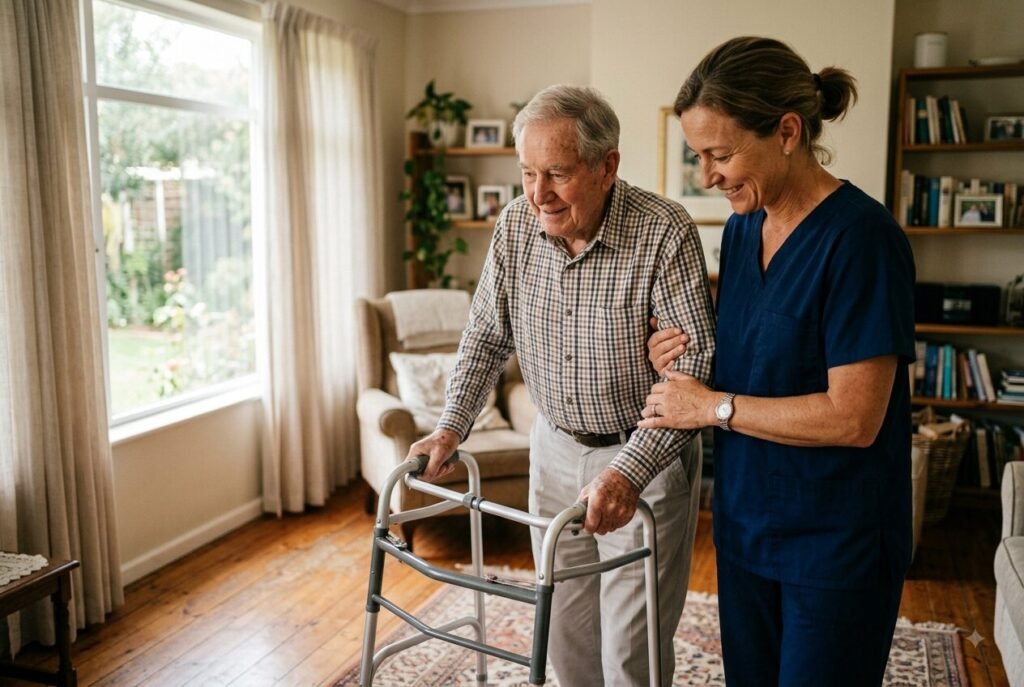
Common Challenges and Shadow Pattern
The same devotion that makes Caregivers so reliable can also become genuinely unsustainable — this archetype can neglect their own needs entirely, struggle to set healthy boundaries, and become resentful when their giving isn’t reciprocated or acknowledged. Under sustained stress, the Caregiver’s shadow tends to show up as martyrdom — self-sacrifice that curdles into quiet resentment and, eventually, a subtle form of control, using guilt to secure the appreciation that was never directly asked for.
See also: “What Is a Shadow Archetype (and Why Yours Matters More Than Your Main One)” — for more on this specific shadow pattern.
Caregiver Archetype at a Glance
| Category | Details |
| Core Desire | Protecting and helping others |
| Core Fear | Being selfish or unhelpful |
| Top Strengths | Compassionate, generous, dependable, nurturing, selfless |
| Common Challenges | Self-neglecting, poor boundaries, resentful, enabling |
| Shadow Pattern | Martyrdom — self-sacrifice that curdles into resentment and control |
Best Career Paths for the Caregiver
Caregivers tend to thrive in roles explicitly built around helping and protecting others. Strong fits include healthcare (nursing, medicine, therapy, social work), education and childcare (teaching, counseling, childcare services), nonprofit and humanitarian work (aid organizations, community services, advocacy), and support-oriented professions more broadly, where consistent, hands-on care for other people is the actual job description rather than a side responsibility. The common thread is a role where genuine devotion to others is the primary value delivered, not something squeezed in around other priorities.

The Caregiver in Relationships
Caregivers bring deep devotion and reliability to their relationships, though their difficulty setting boundaries can lead to real imbalance if a partner doesn’t actively reciprocate. This archetype pairs especially well with the Hero (a natural balance of nurturing and strength), and reasonably well with the Innocent (who receives protection while offering joy in return) and the Lover (a shared devotion to nurturing genuine connection).
For anyone communicating with a Caregiver, actively reciprocating their care rather than simply accepting it matters enormously. Checking in on their needs directly, since they rarely volunteer them unprompted, encouraging them to set and hold boundaries without guilt, and expressing genuine appreciation regularly all tend to prevent the resentment this archetype is prone to when giving goes consistently unacknowledged.
What Drives the Caregiver’s Core Motivations
The Caregiver’s motivations center on several consistent needs: protecting people who are vulnerable or in need, providing meaningful help and genuine service, nurturing growth in others, and creating environments where people feel safe and cared for. These aren’t self-erasure for its own sake — they reflect a real conviction that caring for others is among the most meaningful things a person can do.
The fears that accompany these motivations are worth naming directly: being perceived as selfish, failing someone who genuinely needed help, being unable to protect people they love, and — less obviously — quietly wondering whether anyone would care for them with the same consistency they offer everyone else.
Growth Path for the Caregiver
The most useful growth work for a dominant Caregiver isn’t reducing genuine compassion — that trait is deeply valuable. The more productive path is building the ability to receive care as well as give it, and to set boundaries without treating them as a betrayal of core values. Caregivers who do this work tend to keep their genuine warmth while becoming considerably more sustainable in their giving, since caregiving that includes real self-care tends to last far longer than caregiving that runs entirely on self-sacrifice.
Recognizing a Caregiver in Everyday Life
Caregivers are often the person who notices when someone in the group seems off before anyone else says anything, who remembers exactly how everyone takes their coffee or what someone mentioned struggling with weeks ago, and who has real difficulty enjoying something fully while someone nearby is visibly struggling.
This isn’t performative kindness — it’s a coherent, deeply felt orientation toward other people’s wellbeing, and it produces real value in the right contexts: families need someone who holds things together during hard times, teams benefit from someone who genuinely checks on morale, and communities are strengthened by someone willing to show up consistently, not just when it’s convenient. The challenge is recognizing when consistent giving has quietly stopped including any care for themselves.
How the Caregiver Archetype Shows Up in Myth and Legend
The Caregiver’s pattern recurs throughout mythology in maternal and protective figures whose defining trait is selfless devotion to those under their care. Harvest and earth-mother goddesses, found across many ancient agricultural societies, embody this archetype directly — deities whose power is expressed through nurturing growth and sustaining life rather than conquest or transformation.
Folk traditions across many cultures similarly elevate the healer or nurse figure, someone whose social value comes specifically from consistent, hands-on care for the vulnerable, often without the recognition or reward given to more visibly heroic roles.
Real historical figures who dedicated their lives to nursing and care work during periods of crisis — a lineage of practical, hands-on devotion documented across medical history — reflect this same archetype expressed through actual, historically recorded service rather than myth alone. What unites these figures, mythological and historical, is a consistent theme: value measured not by personal glory but by the wellbeing of those they’ve chosen to protect.
What the Caregiver Archetype Looks Like in Daily Decision-Making
Beyond broad personality traits, the Caregiver’s core pattern shows up in specific, recognizable decision-making habits. When allocating limited time or resources, a Caregiver tends to prioritize others’ needs first almost automatically, sometimes without fully registering that their own needs were also legitimate contenders for that same time or resource. When someone declines an offer of help, a Caregiver often persists a beat longer than the other person’s comfort level would suggest, since the discomfort of not helping tends to outweigh the discomfort of mild social friction.
When evaluating whether a relationship or commitment is sustainable, a Caregiver tends to focus on whether the other person is being adequately served, sometimes only noticing their own depletion well after it’s become significant, since checking in on their own needs isn’t the habitual first question the way checking on others’ needs is.
For a grounded look at what caregiving actually involves outside the archetype framework, the broader research on caregiving roles is a useful reference.
Frequently Asked Questions
What is the Caregiver archetype’s biggest weakness? A tendency toward martyrdom under stress — self-sacrifice that curdles into resentment and, eventually, subtle control, when giving consistently goes unacknowledged or unreciprocated.
What careers suit the Caregiver archetype best? Healthcare, education and childcare, nonprofit and humanitarian work, and support-oriented professions generally all align well with the Caregiver’s genuine devotion to helping others.
Which archetypes pair best with the Caregiver? The Hero tends to be the strongest match, offering a natural balance of nurturing and strength, while the Innocent and Lover also pair reasonably well.
Why do Caregivers struggle with boundaries? Because declining to help can feel, at a deep level, like a moral failure rather than a reasonable limit — the core fear of being selfish or unhelpful makes boundary-setting feel genuinely threatening rather than simply uncomfortable.
Where to Start
The Personality Archetype Test is a free 60-question assessment that identifies whether the Caregiver — or one of the other 11 archetypes — is your dominant pattern. Take the free assessment to find out.