
Breathing techniques nervous system approaches rely on aren’t interchangeable, despite how they’re often marketed.

In This Article – Why Breathing Affects the Nervous System – The Physiological Sigh – Box Breathing – The 4-7-8 Technique – Why Breathing Techniques Aren’t a Universal Fix – Building a Consistent Practice – Common Mistakes When Using Breathing Techniques – Key Takeaways About Breathing techniques nervous system – Frequently Asked Questions – Where to Start
Breathing techniques are among the most commonly recommended nervous system tools, but most generic advice treats them as interchangeable — as if any slow breathing exercise works equally well regardless of what state a person is actually in. In practice, different techniques target different physiological patterns, and matching the technique to the actual state produces meaningfully better results than defaulting to a single generic approach.
See also: “The Polyvagal Ladder Explained” — for the three core states these techniques are designed to address.
Why Breathing Affects the Nervous System
Breath is one of the few autonomic functions that can also be controlled voluntarily, which makes it a uniquely accessible lever for influencing nervous system state directly. Longer exhales relative to inhales stimulate the vagus nerve’s calming influence, supporting a shift toward ventral vagal safety. Faster, more forceful breathing patterns can increase alertness and activation. This is why breathing techniques aren’t simply “relaxing” as a category — different patterns produce genuinely different physiological effects. This is a core part of what breathing techniques nervous system actually describes.
The Physiological Sigh
The physiological sigh involves two inhales through the nose — a full inhale followed immediately by a second, shorter sharp inhale on top of it — followed by one long, slow exhale through the mouth. This technique has research support for rapidly reducing sympathetic activation, making it particularly well-suited to acute stress or anxiety in the moment, when a fast shift toward calm is the priority. It tends to work within one or two repetitions, making it useful for situations requiring quick regulation, such as before a stressful conversation or presentation. This is a core part of what breathing techniques nervous system actually describes.
Box Breathing
Box breathing involves four equal phases: inhale for a count, hold for the same count, exhale for the same count, and hold again for the same count, before repeating the cycle — commonly done in counts of four. This technique is well suited to sympathetic activation that involves racing thoughts or scattered focus, since the structured, equal-count rhythm gives the mind something concrete to track, which can help interrupt spiraling thought patterns while also engaging the calming effect of controlled breathing. This is a core part of what breathing techniques nervous system actually describes.
The 4-7-8 Technique
The 4-7-8 technique involves inhaling for a count of four, holding for a count of seven, and exhaling slowly for a count of eight — an exhale considerably longer than the inhale. This pronounced imbalance toward the exhale makes this technique particularly effective for sustained calming rather than quick emergency regulation, and it’s frequently recommended specifically for supporting sleep onset, since the extended exhale strongly favors a shift toward ventral vagal activation over time.
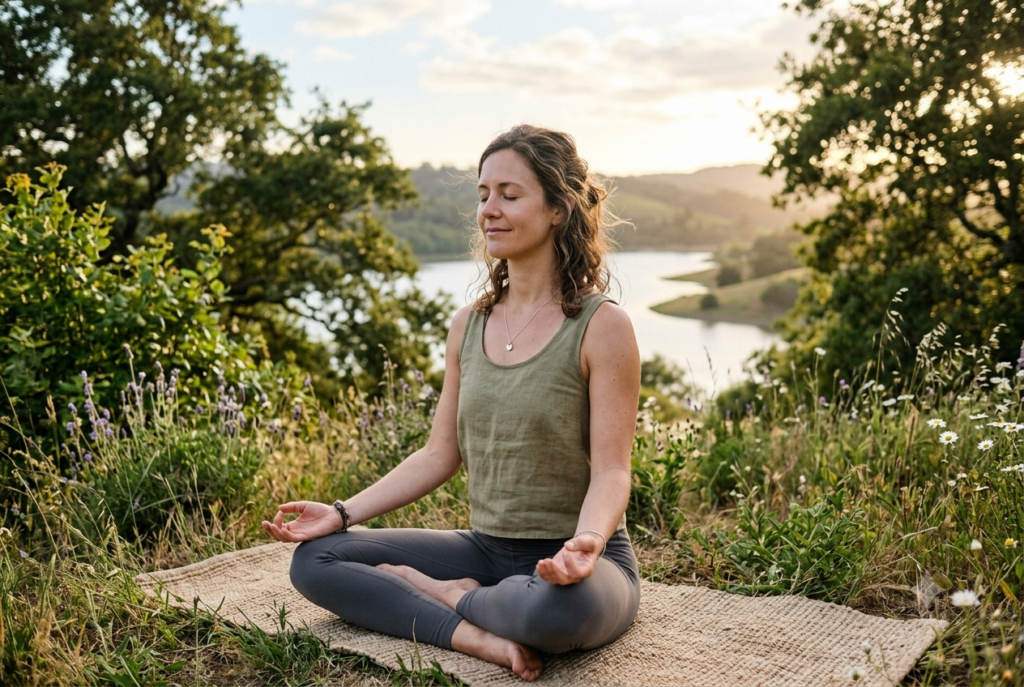
Which Technique Matches Which State
| Technique | Best Matched To | Why |
| Physiological Sigh | Acute sympathetic spike | Fastest shift toward calm, works in 1-2 repetitions |
| Box Breathing | Racing thoughts, scattered focus | Structured rhythm interrupts spiraling attention |
| 4-7-8 | Sustained calming, sleep onset | Strong exhale bias supports deeper ventral vagal shift |
Why Breathing Techniques Aren’t a Universal Fix
It’s worth being direct about a limitation: breathing techniques primarily target sympathetic activation, and are generally less effective — sometimes even counterproductive — for dorsal vagal shutdown. Someone already in a shut-down, low-energy state may find that structured breath-counting feels effortful or aversive rather than calming, since the technique assumes a baseline level of engagement the shutdown state doesn’t currently have available. For dorsal vagal patterns, gentler approaches involving warmth, movement, and connection tend to work better than structured breathing exercises alone.
See also: “Nervous System Regulation Techniques for Sympathetic vs. Dorsal States” — for a fuller comparison of what actually helps each state.
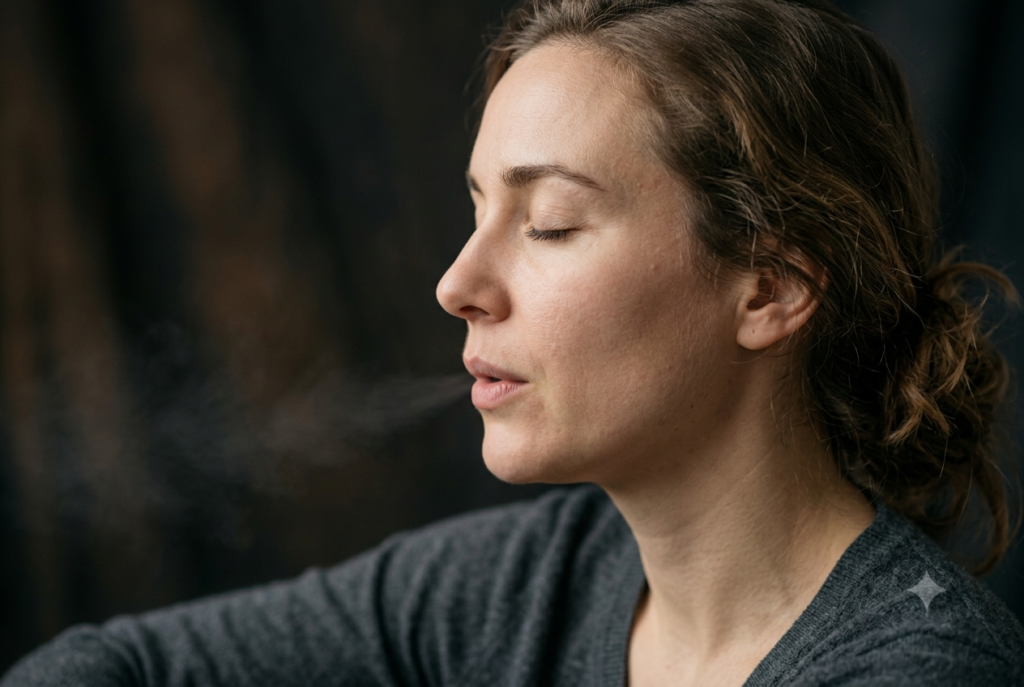
Building a Consistent Practice
Breathing techniques tend to work best with some regular practice, rather than being attempted for the first time only during a moment of acute stress. Practicing box breathing or the 4-7-8 technique during calmer moments builds familiarity that makes the technique easier to access and more effective when genuinely needed under pressure. A few minutes of practice during a calm morning routine, for example, can make the same technique considerably more effective later in the day when actually facing a stressful trigger.
Common Mistakes When Using Breathing Techniques
A frequent mistake is attempting a slow, structured technique like box breathing or 4-7-8 during a moment of severe acute activation, when the physiological sigh’s faster, simpler pattern would likely work better and feel more accessible in the moment.
Another common mistake is expecting a single round of any technique to fully resolve significant, sustained stress — most techniques are more effective as part of a repeated practice over several minutes, or combined with other approaches, rather than as a one-time fix. Finally, forcing a breathing technique when the body is resisting it, particularly during dorsal vagal shutdown, tends to add frustration without producing the intended calming effect; recognizing when a different kind of support is needed, rather than persisting with an ill-matched technique, tends to produce better outcomes overall.
Key Takeaways About Breathing techniques nervous system
To summarize the core points on breathing techniques nervous system: it reflects a real, physiological pattern rather than a mood or a character trait, it can be recognized through specific physical and behavioral signs, and understanding breathing techniques nervous system tends to change what actually helps, compared to generic stress advice. Keeping breathing techniques nervous system in mind as a concrete, nameable pattern — rather than a vague sense of “stress” — is usually the most practical starting point.
Recognizing breathing techniques nervous system for what it is tends to be more useful than trying to push past it. Much of the confusion people feel comes from not having a name for breathing techniques nervous system in the first place. Once breathing techniques nervous system is named clearly, the appropriate response usually becomes more obvious. Breathing techniques nervous system isn’t a flaw — it’s a pattern the body has learned, and it can shift with the right approach.
Frequently Asked Questions
Which breathing technique works fastest for acute stress? The physiological sigh is specifically suited for rapid results, often producing a noticeable shift within one or two repetitions.
Can breathing techniques help with dorsal vagal shutdown? Generally less well than they help sympathetic activation. Shutdown states often respond better to warmth, gentle movement, and connection than to structured breath-counting exercises.
How often should breathing techniques be practiced? Regular practice during calm moments — even a few minutes daily — tends to make these techniques considerably more effective when used during genuinely stressful situations later.
Is 4-7-8 breathing safe for everyone? It’s generally considered safe for most people, though anyone with respiratory conditions or concerns about breath-holding should check with a healthcare provider before adopting extended breath-hold techniques.
For more on the physiological mechanism behind these techniques, see diaphragmatic breathing on Wikipedia.
Where to Start
The Nervous System State Profiler is a free 51-question assessment that identifies which nervous system state is currently most active, helping clarify which breathing technique is actually likely to help. Take the free assessment for a clearer picture